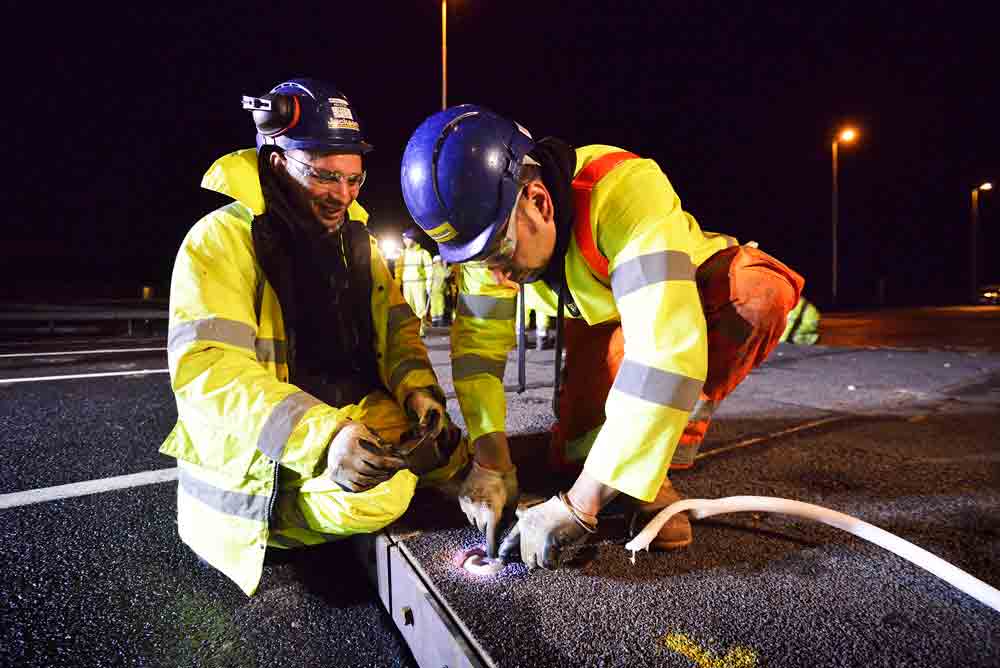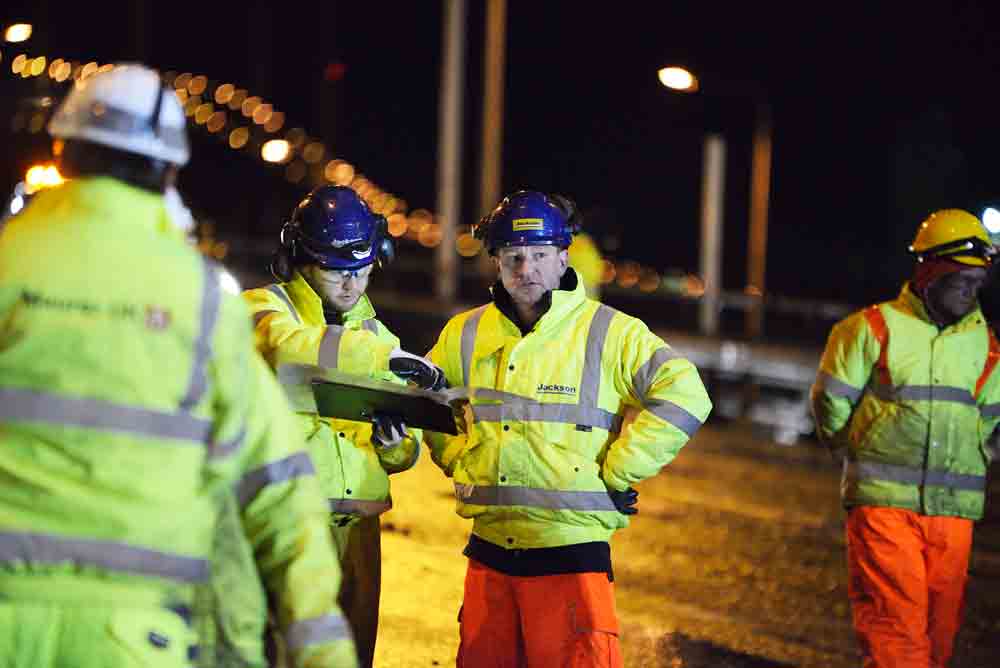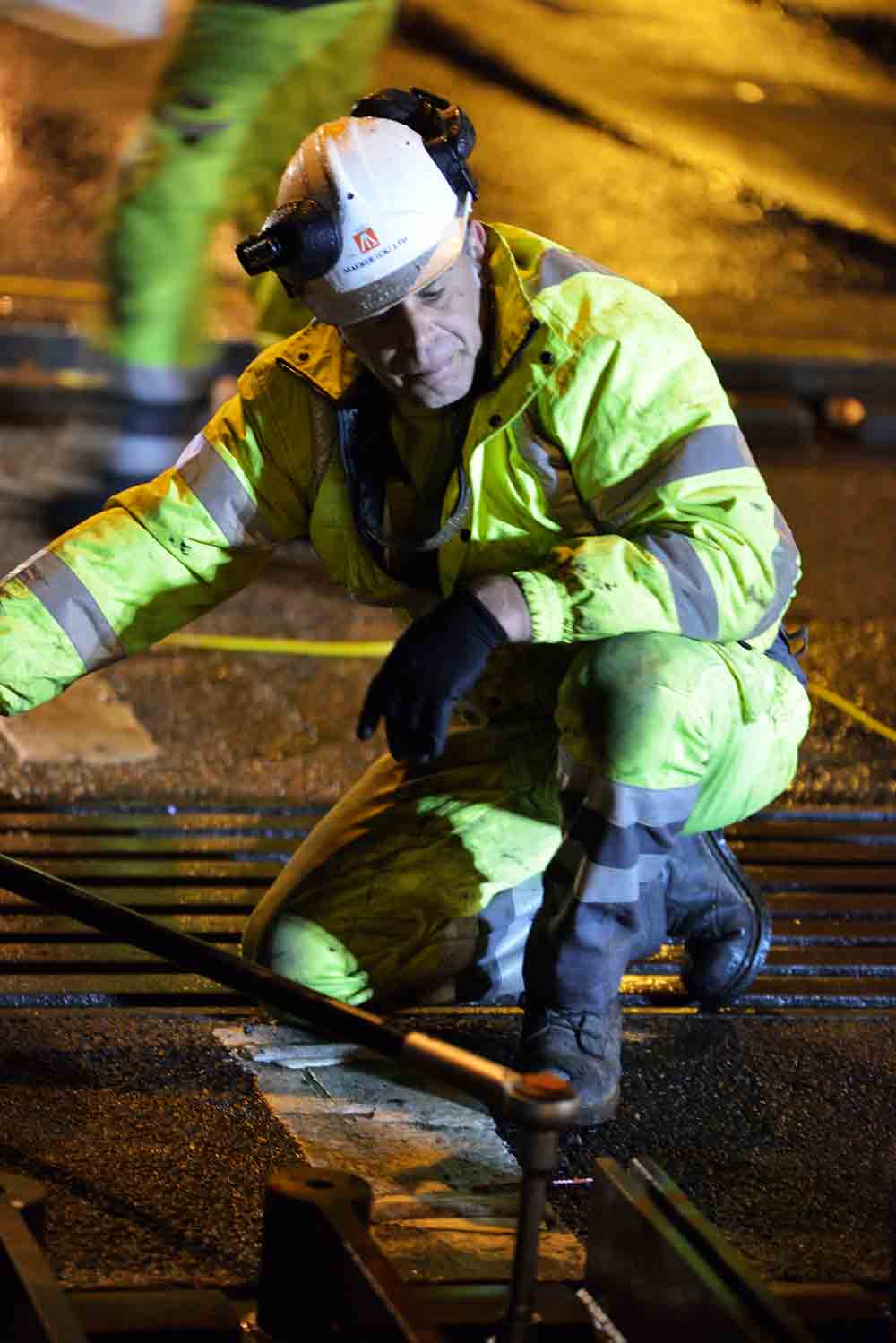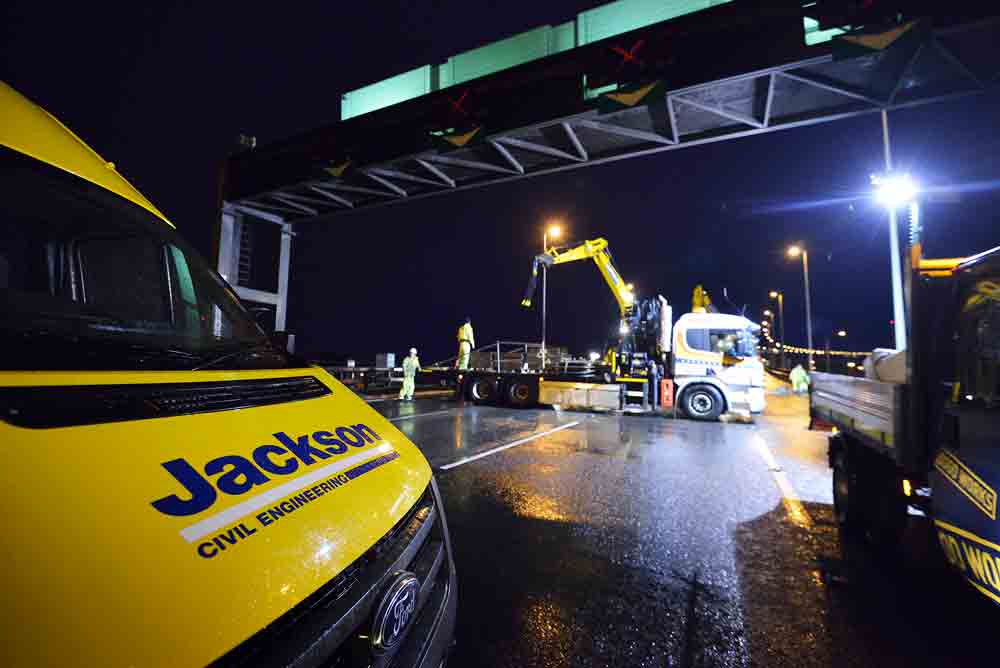
Project completed without causing traffic disruption.
Our impact
75,000
Vehicles crossing the QEII Bridge each day
23m
Saved in road closure costs
30m
Vehicles that drove over the ramps
The challenge was replacing the bridge’s joints, without imposing any daytime lane restrictions or speed limits.
‘The most stressful section of the M25’
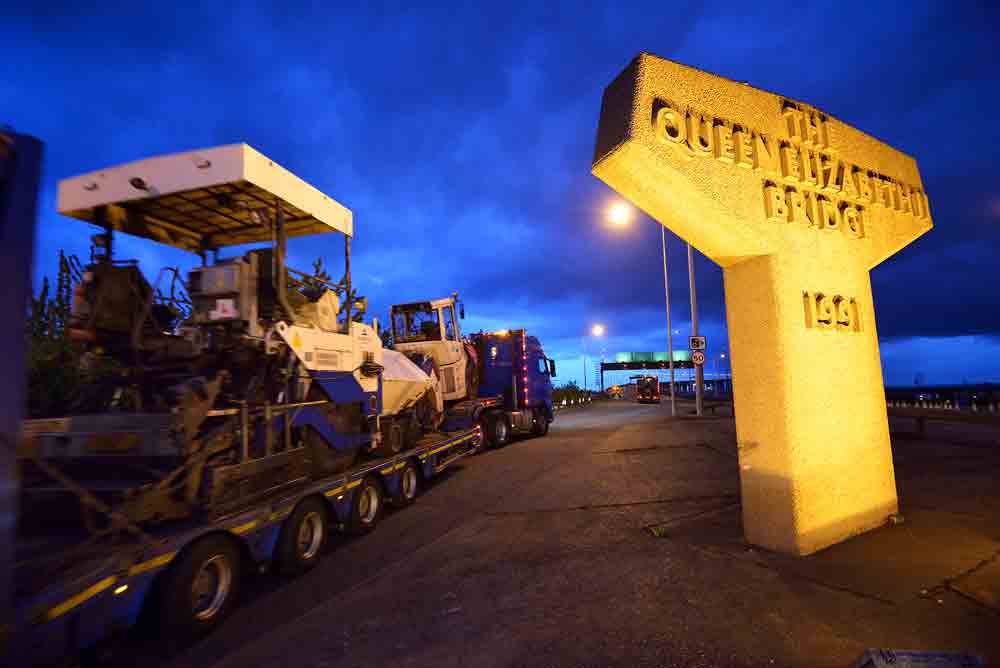
Used by more than 75,000 vehicles each day, the iconic QEII Bridge at Dartford is a crucial part of the country’s road network – voted in one BBC survey as the ‘the most stressful section of the M25.’
Collaborating with its client Connect Plus and designer Flint & Neill, the Jackson team was challenged with replacing the bridge’s movement joints, without imposing any daytime lane restrictions or speed limits on motorists.
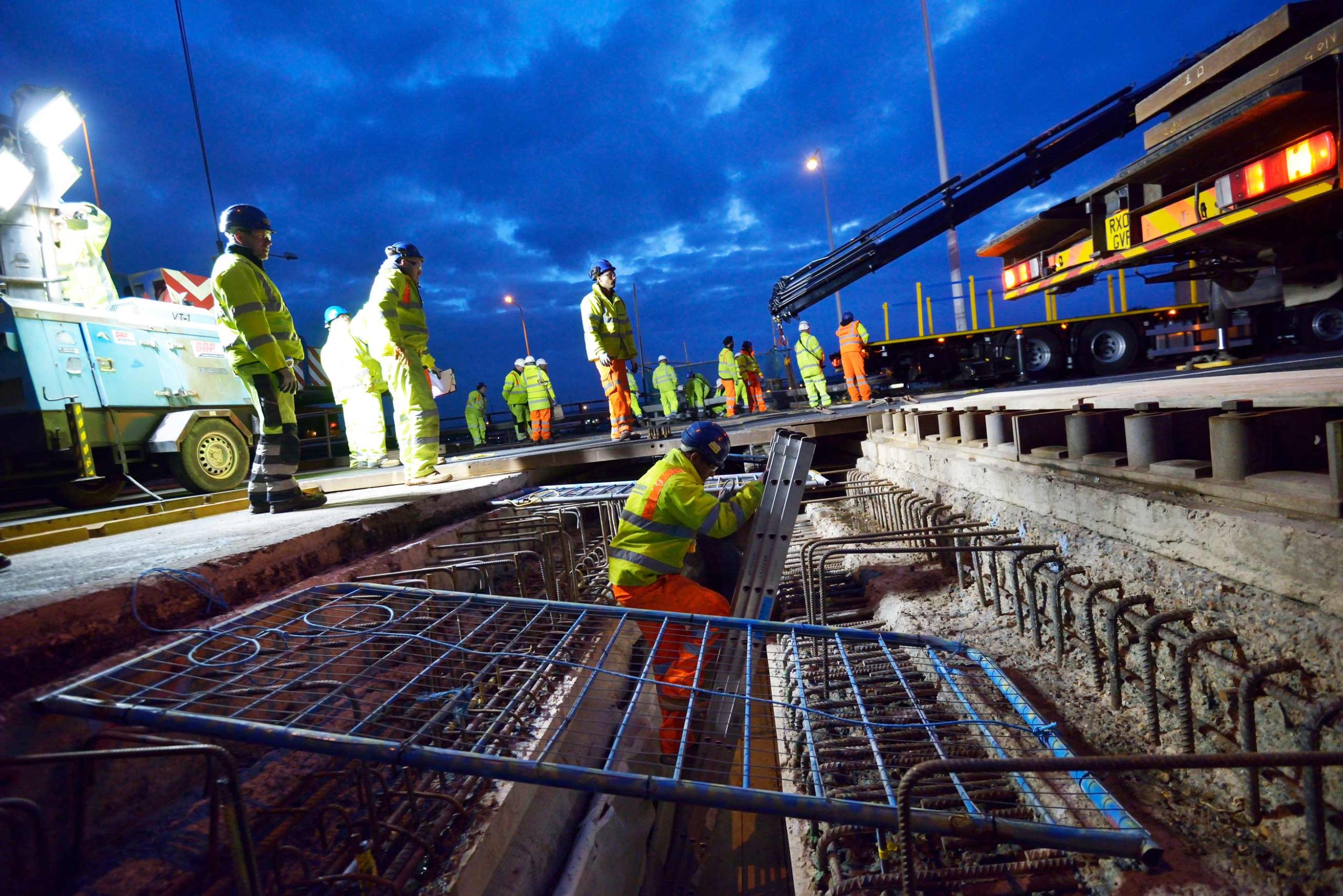
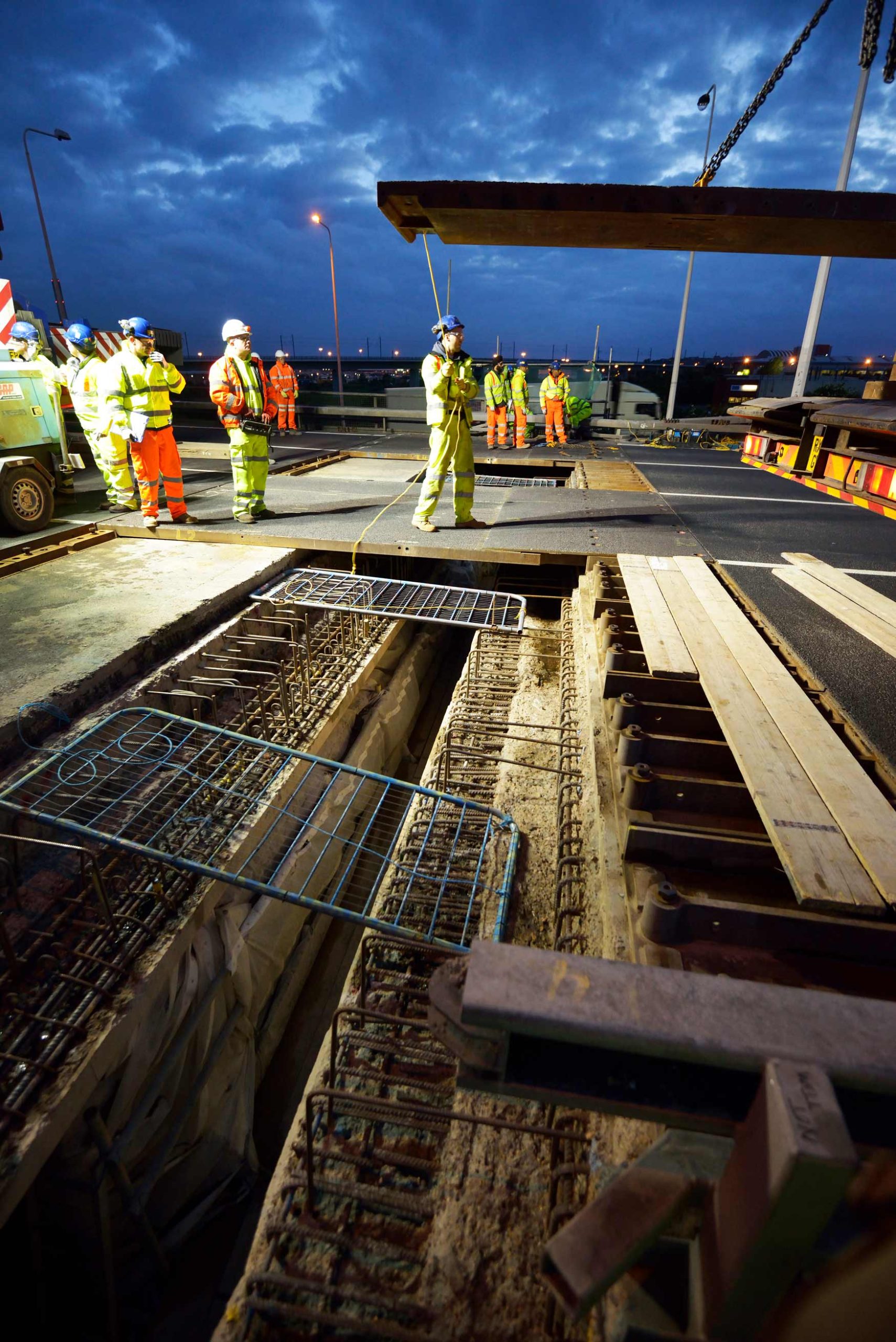
Conventional methods used to replace joints usually involve lengthy lane closures, resulting in hold-ups for drivers and financial penalties for operators. The team’s solution was a bespoke temporary over-ramp, a world-first for joint replacement on this scale.
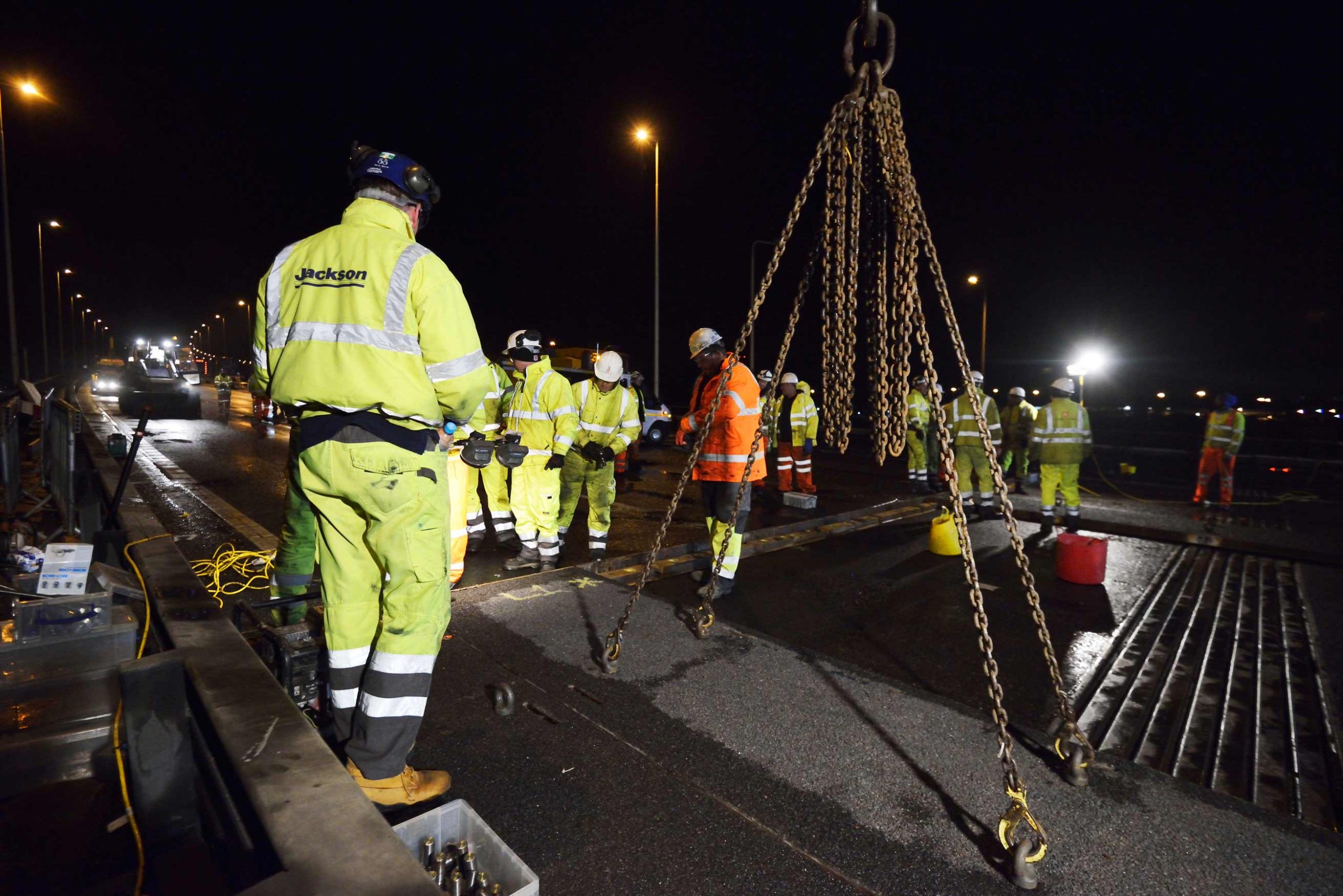
The system, which won Project of the Year at the British Construction Industry Awards, allowed free-flowing traffic over the bridge while joint replacement works were carried out from underneath.
Balancing act: Vehicle movements are restricted to protect wildlife including over-wintering as well as nesting birds.
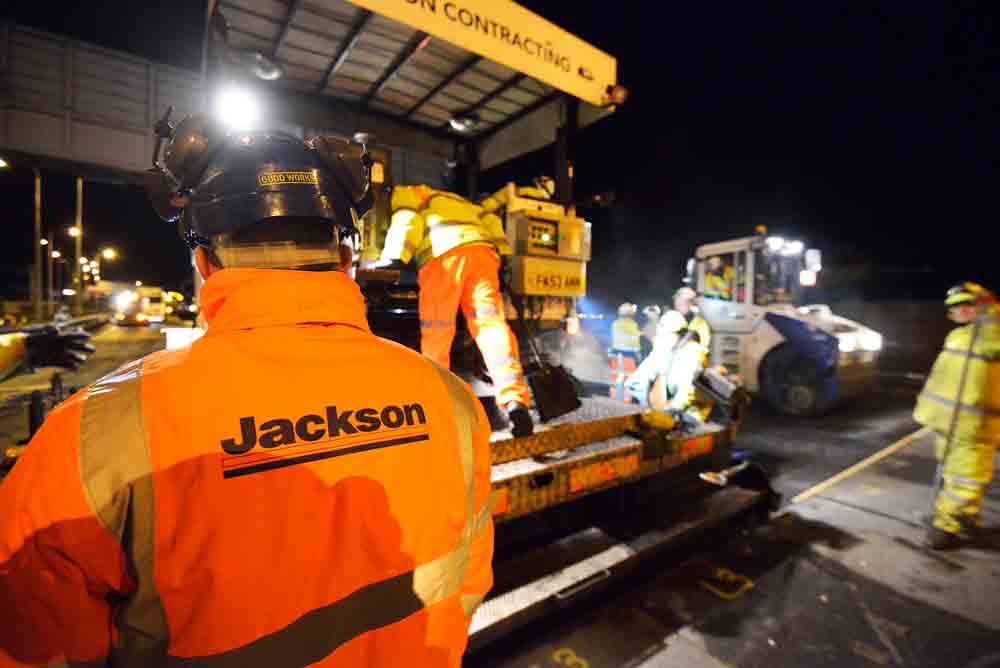
Night-shifts were precision-timed.
Bridging plate
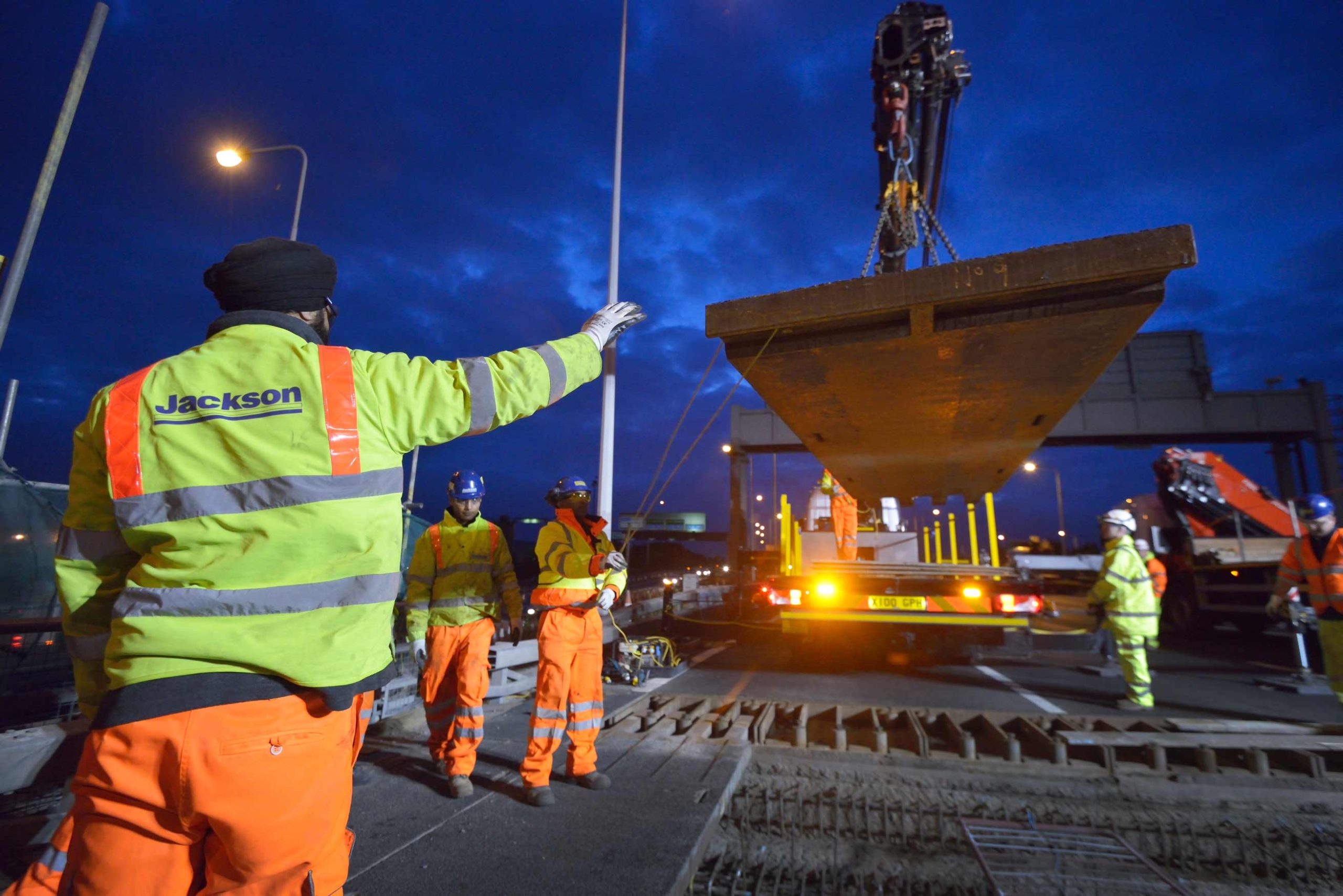
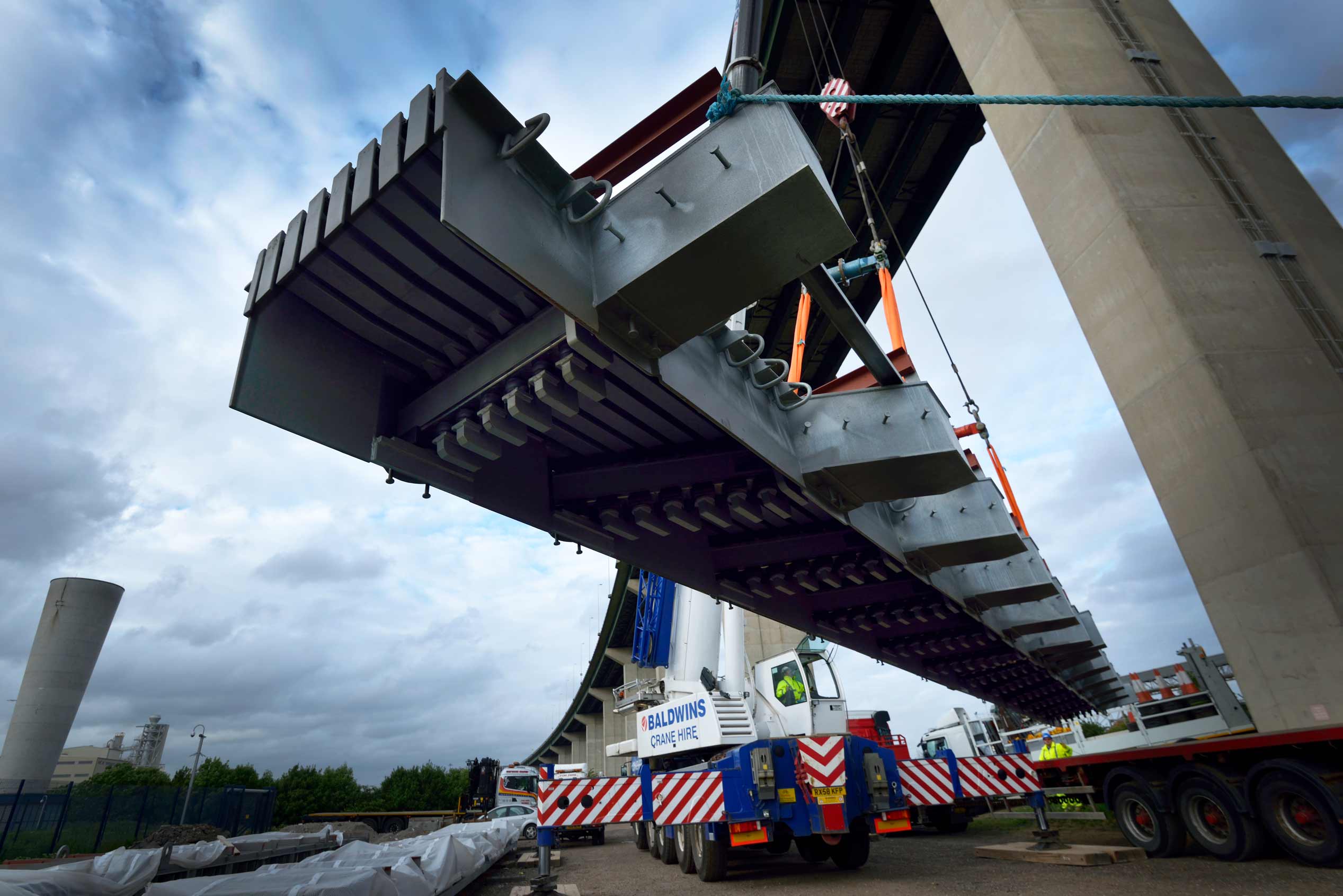
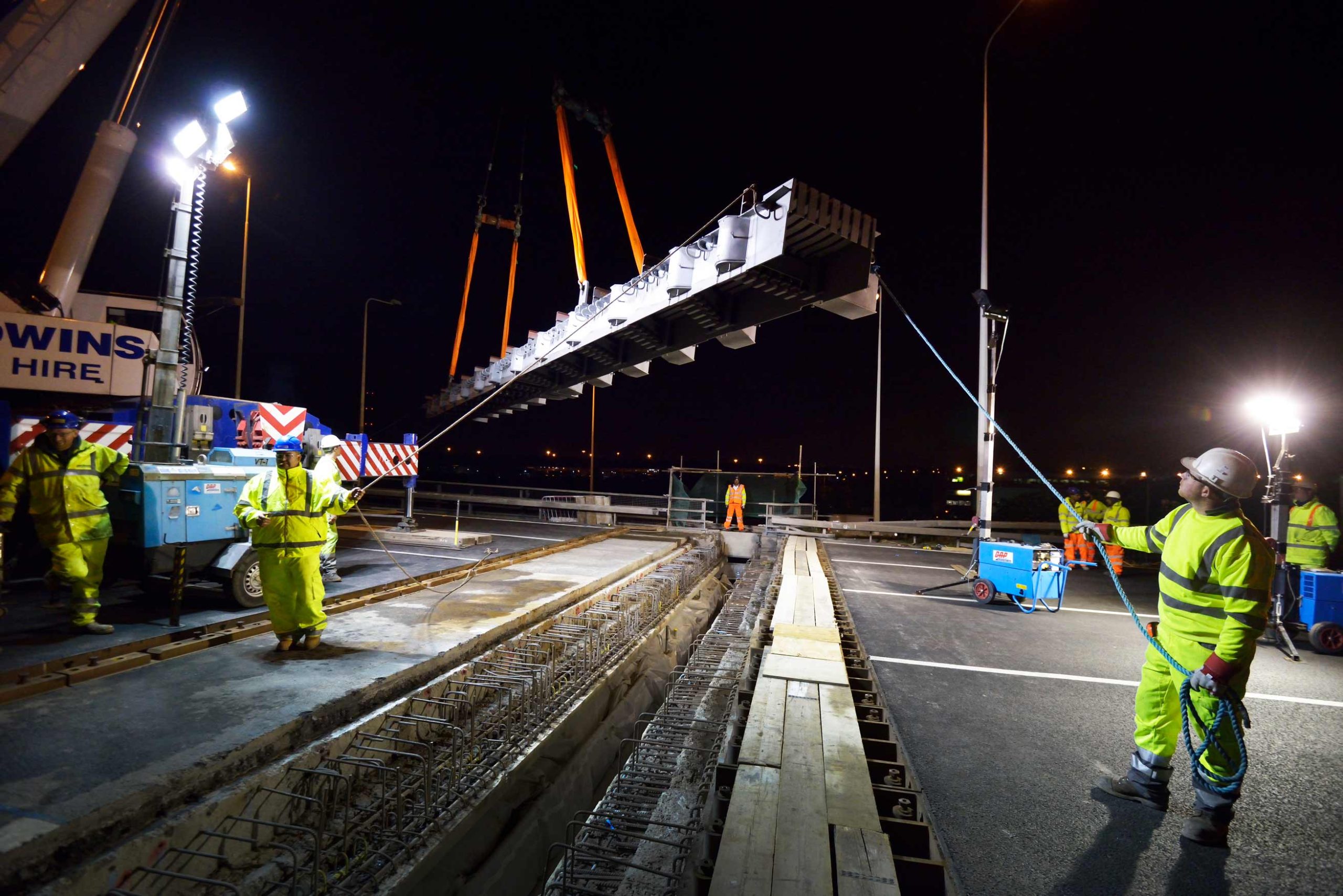
The system comprised a bridging plate spanning 4.5m with sinusoidal 40m asphalt ramps providing smooth ride quality and allowing the existing the traffic speed to remain without warning signs.
The bridging plate incorporated a finger joint with movement range sufficient to span over two joints in close proximity. The ramps were modularly designed, and the component weights controlled to allow easy handling with a hi-ab.
Special lifting slots and locating guides for placement also enabled quick and safe use. Flawless system reliability enabled night-shifts to be precision timed.
Cost saving
Whilst in-situ, more than 30 million vehicles drove over the ramps, their drivers largely unaware of their presence, or indeed the work going on underneath them.
This highly innovative system, developed collaboratively with the principal parties, enabled this major project to be completed with virtually no disruption to traffic, reducing congestion and saving Connect Plus more than £23 million in road closure costs.
This major project was completed with virtually no disruption to traffic.