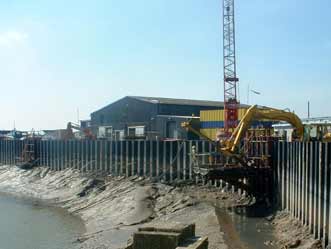
Scheme wins Environment Agency’s Efficiency Award.
Our impact
4,625
Tonnes of sheet piles used
970k
Efficiency savings
1,500
Tonnes of Type 1 aggregate recycled
Rye Harbour
Keeping the River Rother open
Jackson won the Environment Agency’s Efficiency Award for its work on this £9m scheme to re-build the harbour wall in Rye, East Sussex, where through collaboration and early engagement with the supply chain the team managed to save over £970k on the project.
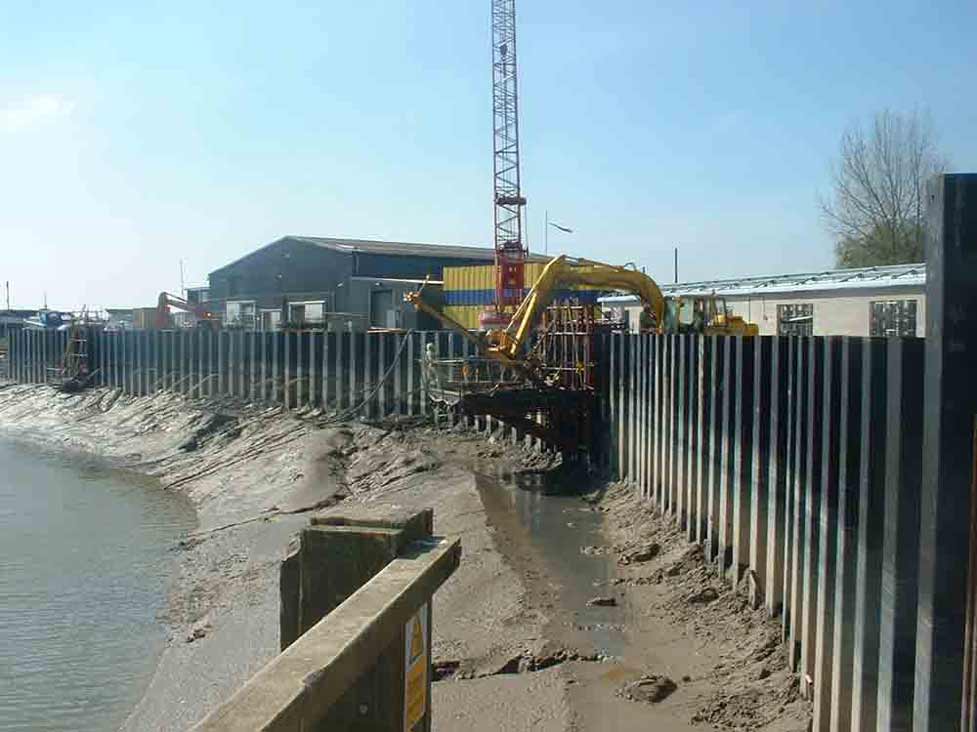
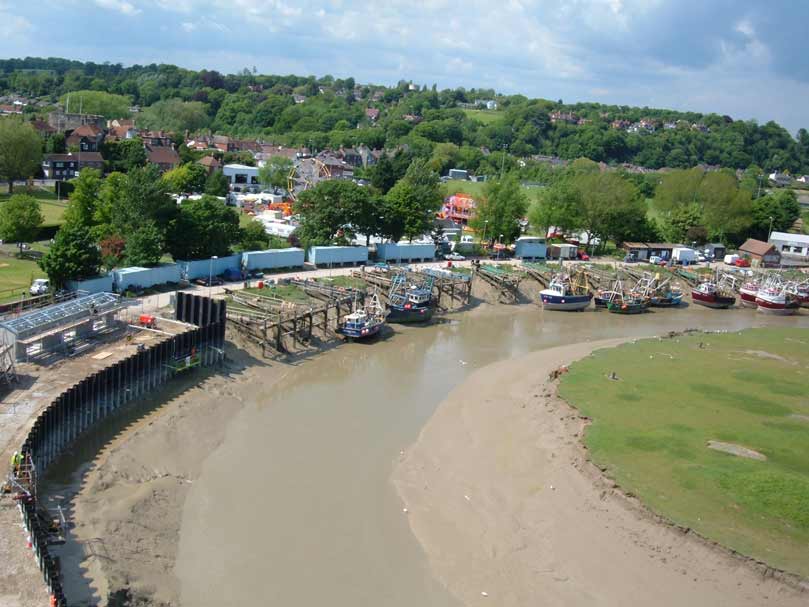
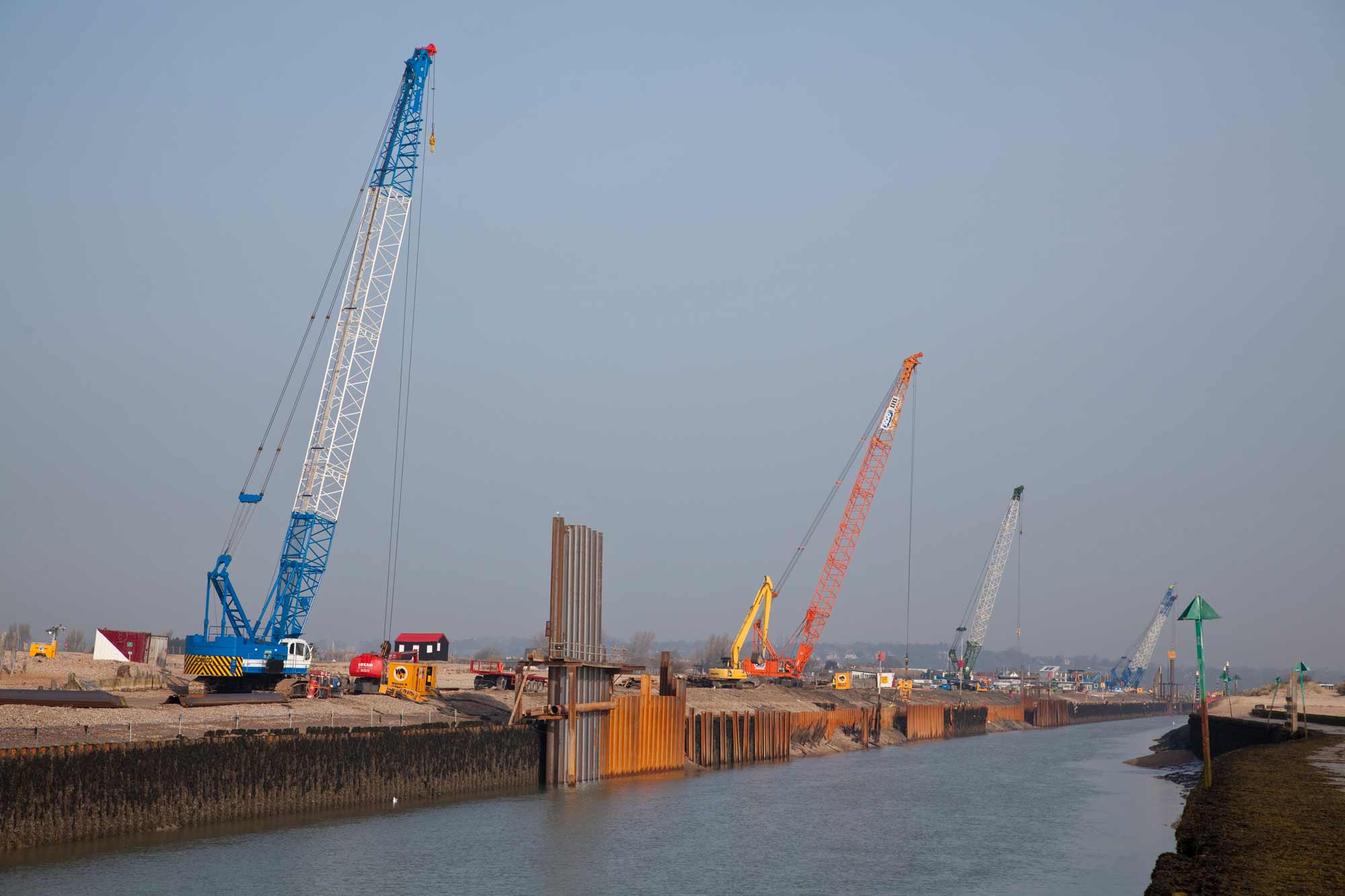
The Rye Harbour Western Training Wall plays a vital role, not only in keeping the River Rother open and supporting the multi-million-pound economy that relies on Rye Harbour, but also by protecting the adjacent nature reserve.
Balancing act: Vehicle movements are restricted to protect wildlife including over-wintering as well as nesting birds.
Design and construction were run concurrently.
Fast-track
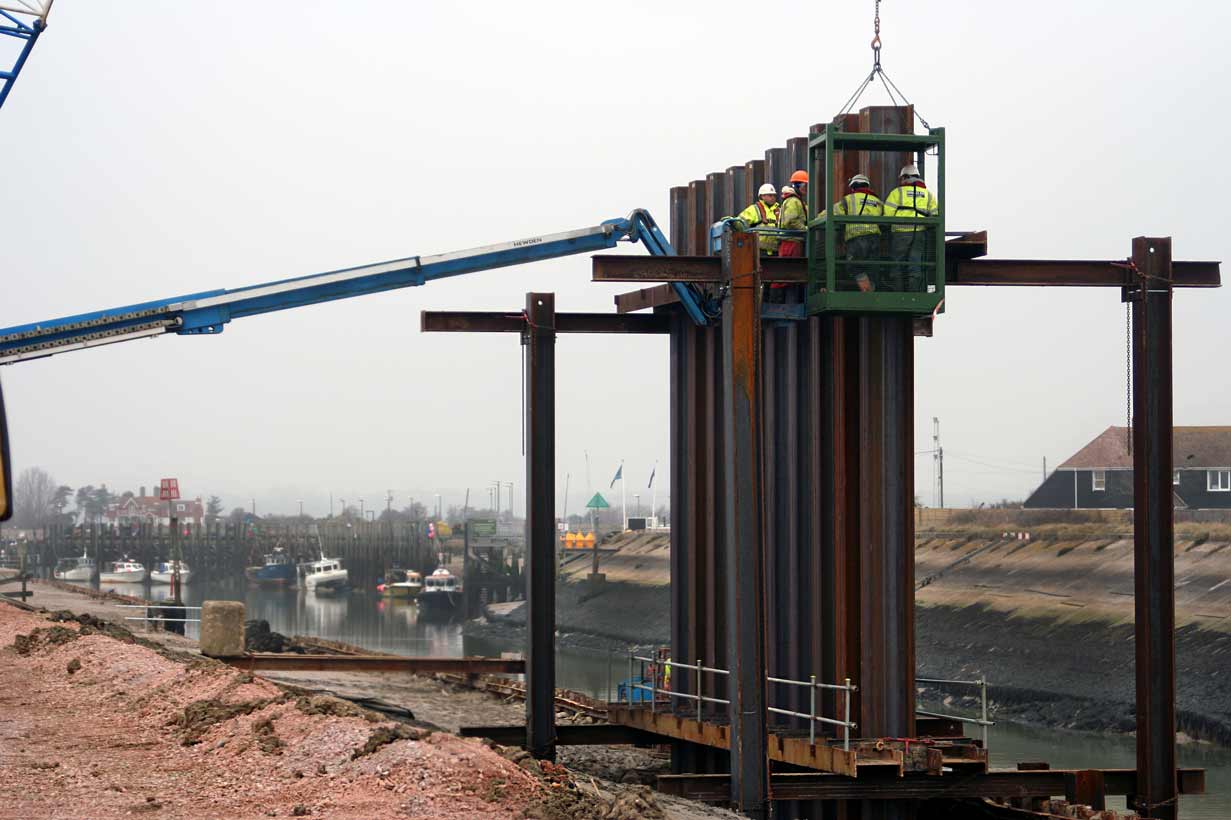
An inspection of the wall revealed it was in a very poor state, so the decision was taken to fast-track the scheme. Due to the urgent nature of the works, the team devised a reduced project programme, which involved running the design and construction phases concurrently to save time.
Significant cost savings were also made on two main aspects of the project: the sheet piles, which accounted for almost a third of the entire project cost, and the haul road.
Sheet piles
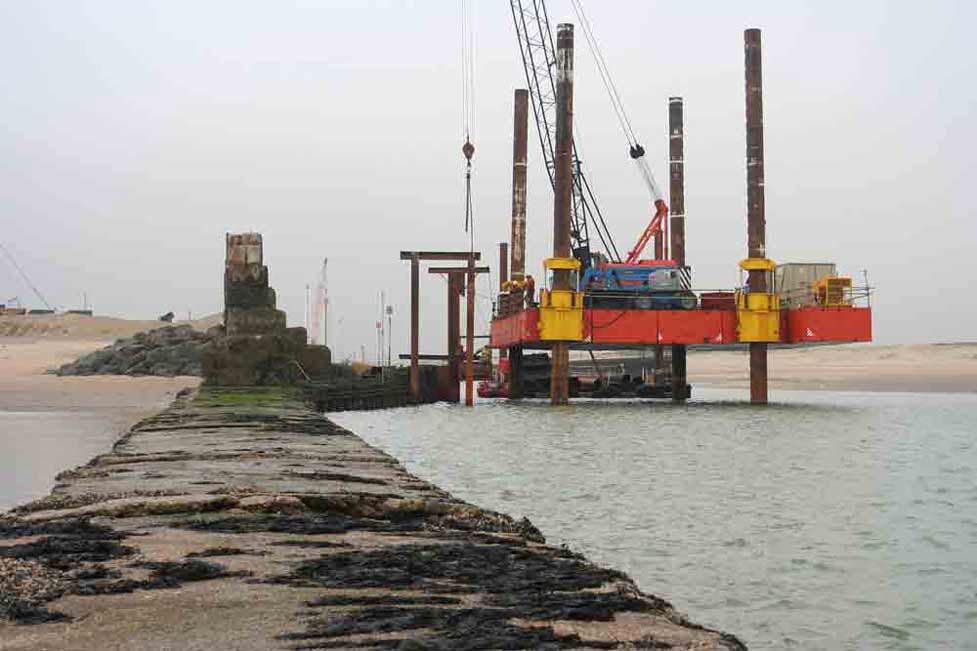
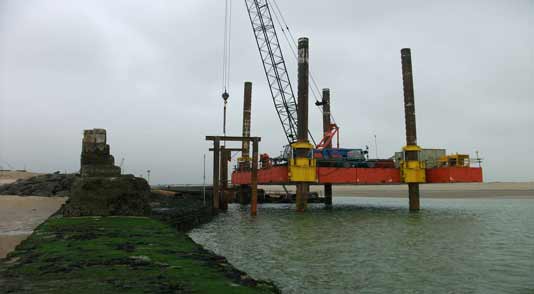
An impressive 4,625 tonnes of sheet piles were required for this project. They were sailed directly to Rye Harbour, greatly reducing vehicle movements in Rye and cutting CO2.
A temporary access track also had to be constructed along the length of the wall to provide a working platform for the construction plant. By negotiating with the materials supplier, the team was able to hire 15,000 tonnes of type 1 fill material to use on the access track, which could be returned at the end of the job – an innovative approach that saved £100k and drastically reduced waste.
Piles were sailed directly to Rye Harbour, cutting carbon.
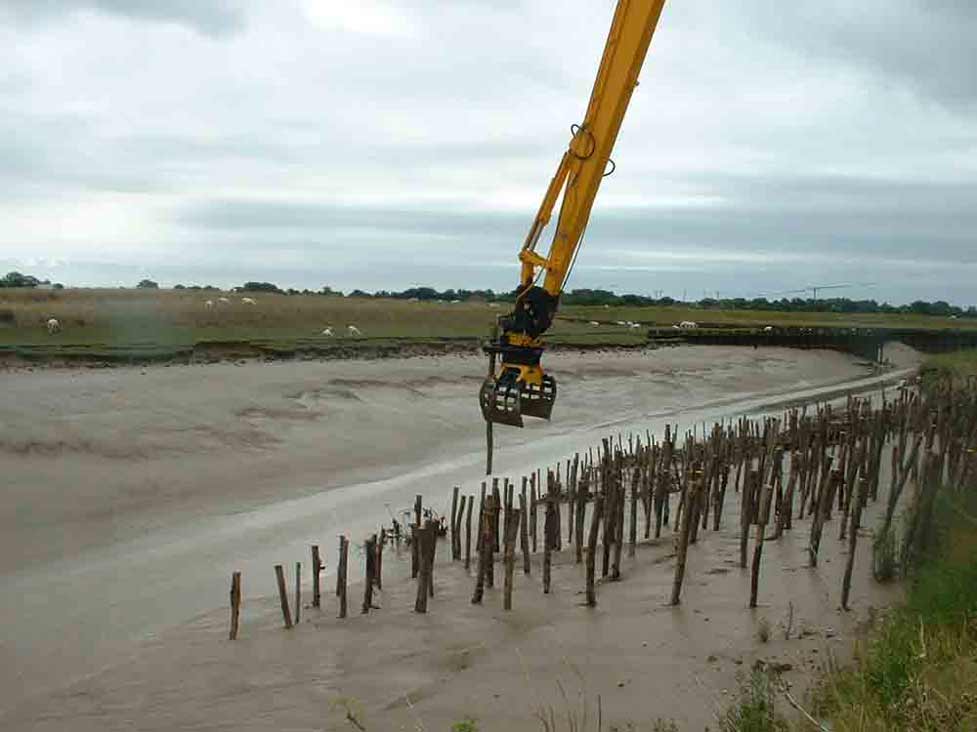
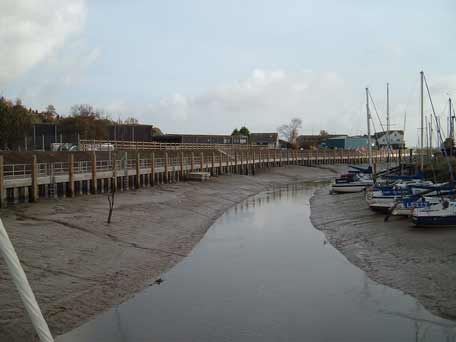
Brushwood bundles were used for erosion control.
Brushwood
Brushwood faggots were used as a soft engineering technique for erosion control along the River Rother.
These bundles of brushwood help stabilise riverbanks and coastlines by promoting natural siltation and the growth of vegetation.