Changing gates
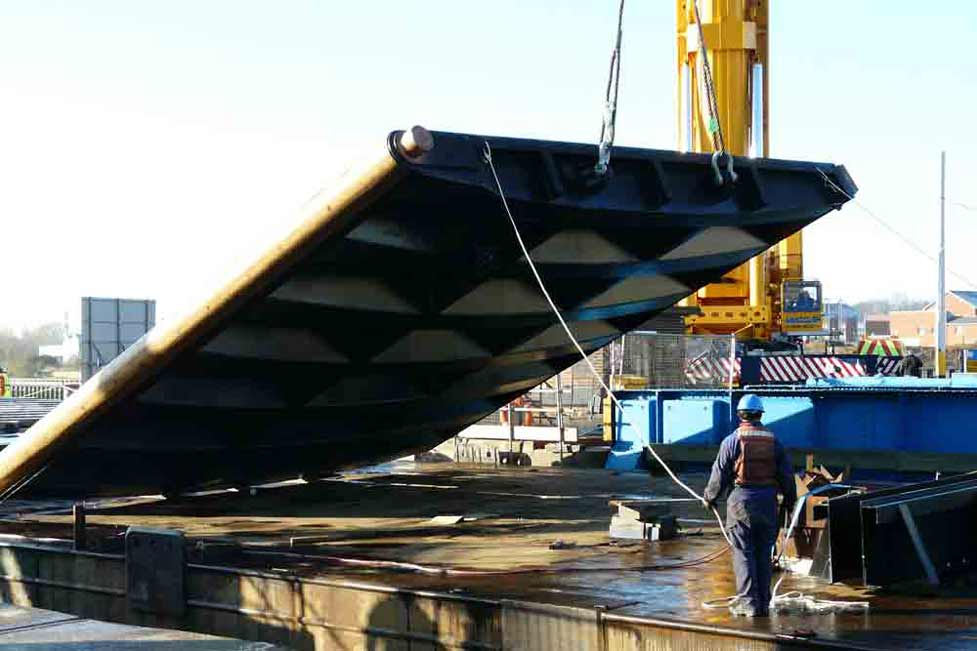
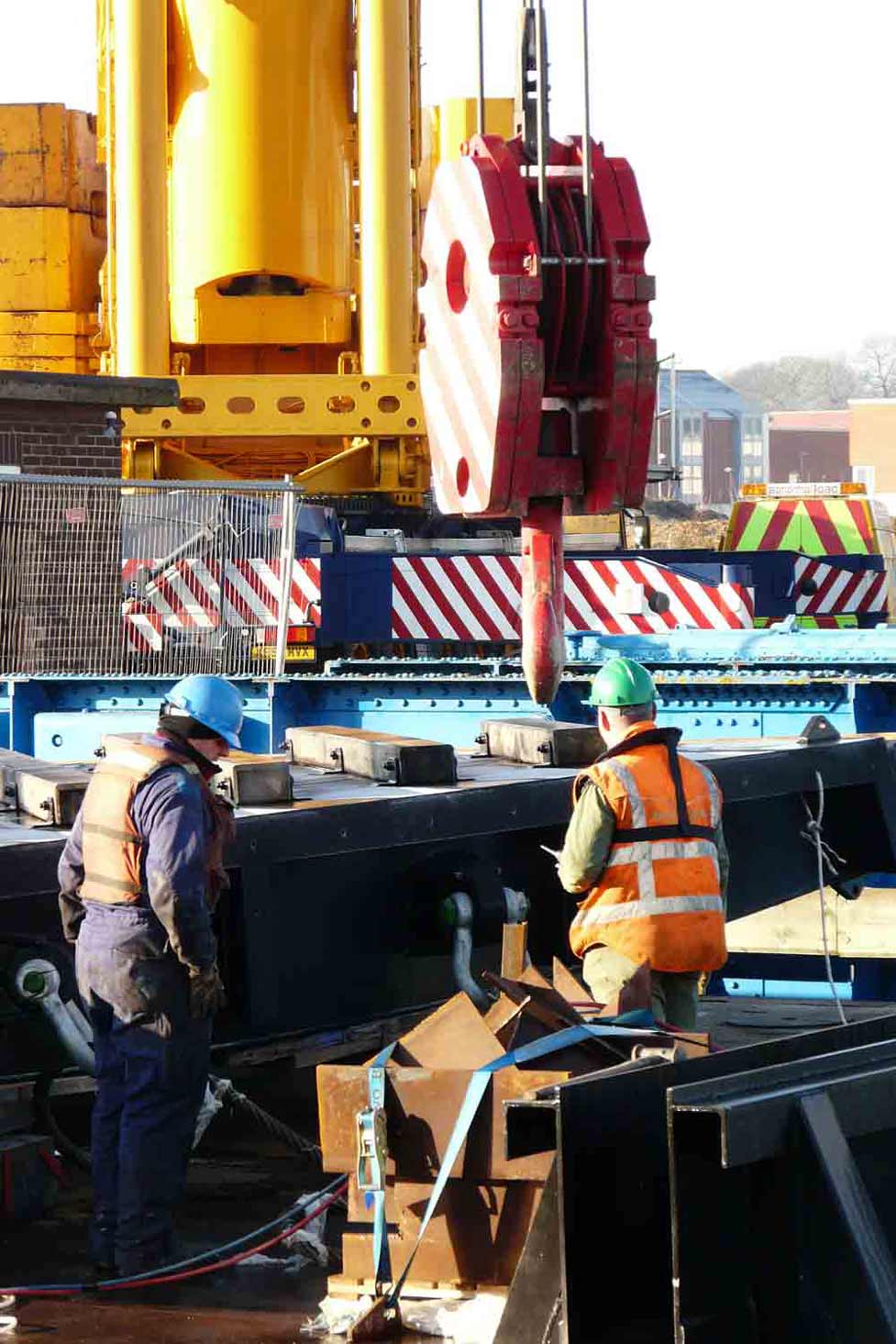
50t gates fabricated in Holland and transported directly to Ipswich by barge
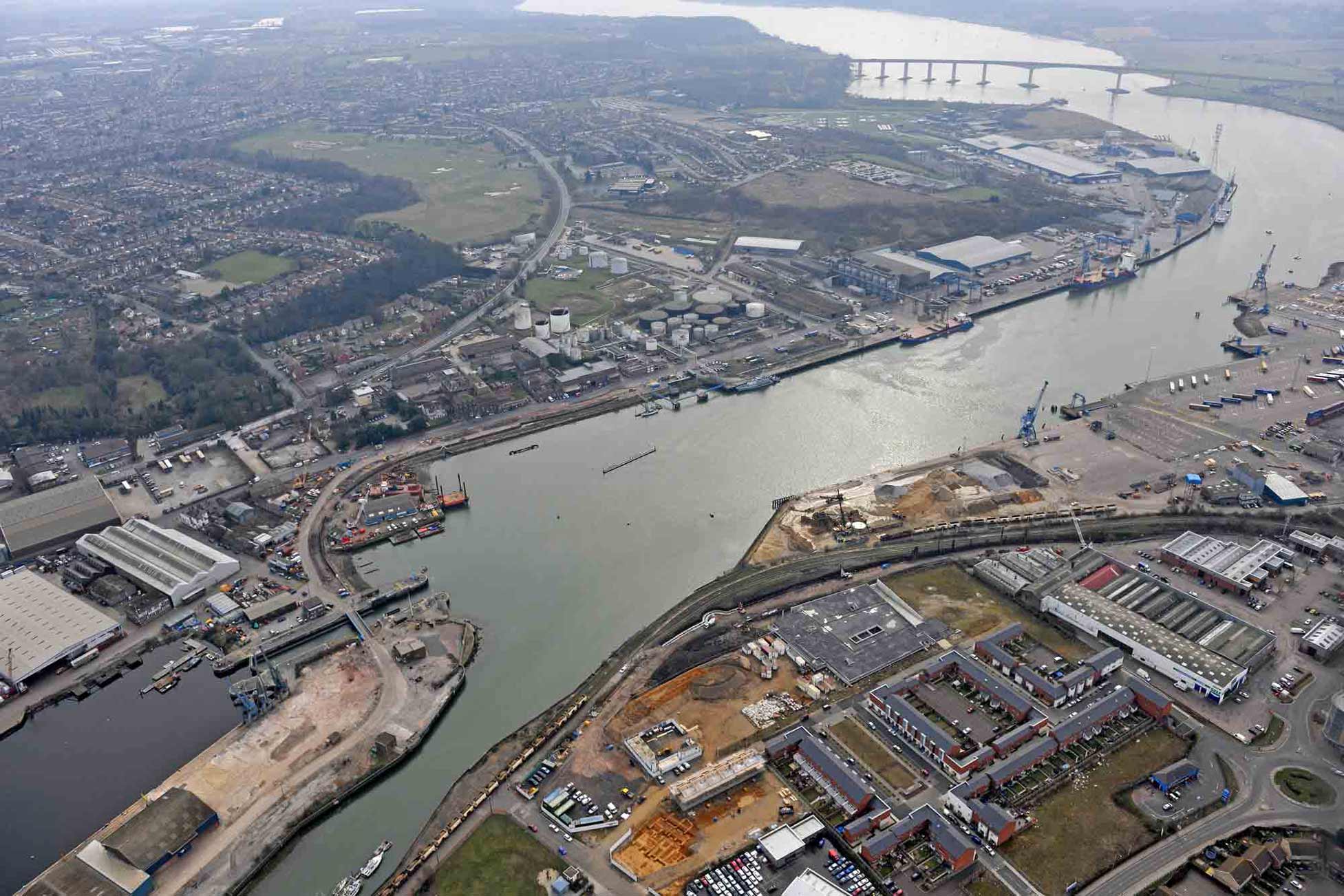
Part of programme of works to upgrade the town’s flood defences.
Our impact
50
The weight in tonnes of each flood gate
30m
Length of ground anchors
2.1m
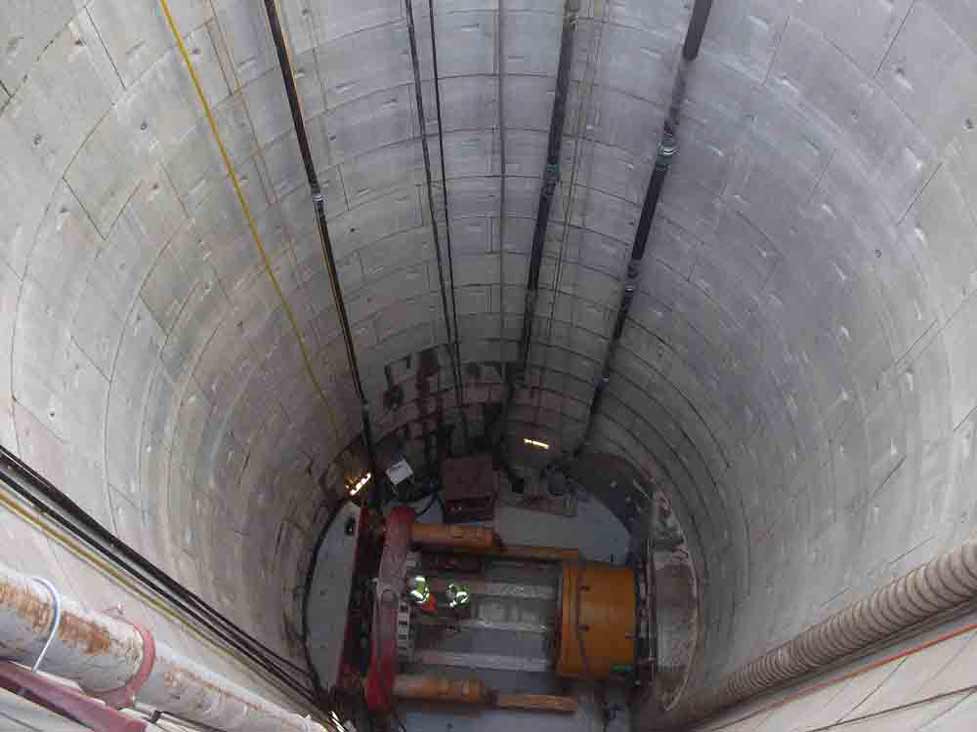
Diameter of tunnel built under wet dock
The installation of new wet dock flood gates was a key element of the upgrade of Ipswich’s flood defences.
Quions, pintels and seals
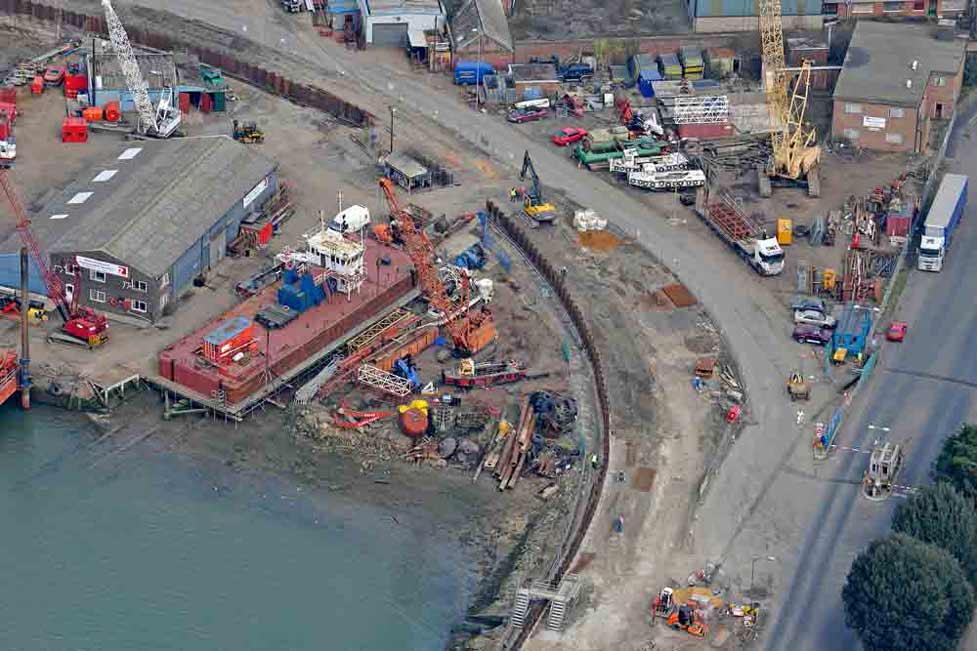
With a head office in Ipswich, Jackson was proud to be part of the Environment Agency’s ongoing programme to upgrade the town’s flood defences. A key project was the installation of giant, new wet dock flood gates.
The existing wet lock flood gates fell short of the new defence standards by almost 1.2m and so needed replacing.
The works for the inspection of the lock gates were carried out within neap tide periods to minimise the risk of flooding to Ipswich during the works. Detailed surveys of the lock quions, pintels and seals were carried out by divers.
Balancing act: Vehicle movements are restricted to protect wildlife including over-wintering as well as nesting birds.
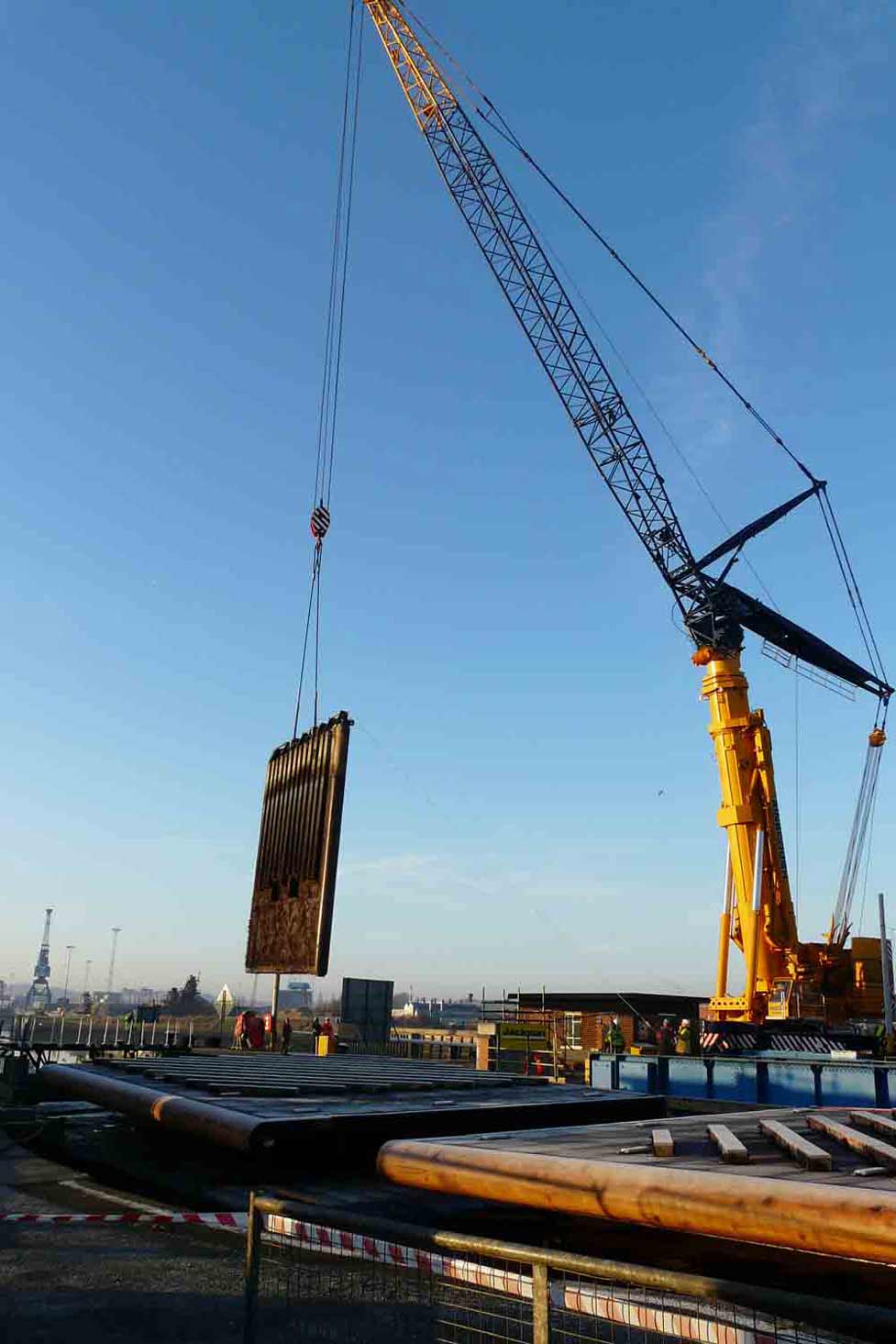
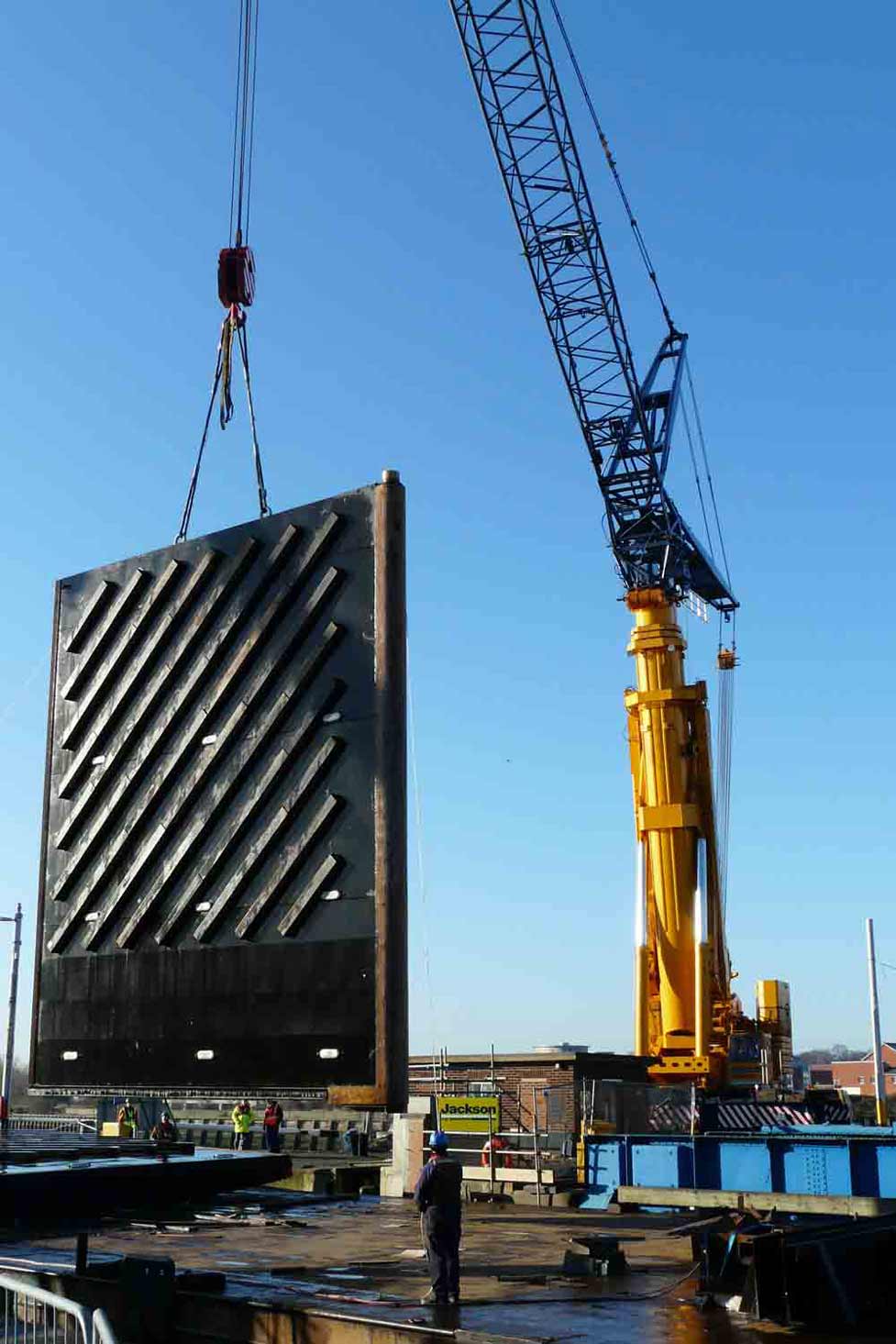
Each new gate weighed 50 tonnes each.
Anchors away
The new gates were fabricated in Holland and transported directly to Ipswich by barge. As the top of the new gates were higher than their predecessors, the existing top anchors had to be upgraded to cope with the additional load of the new gates, which weighed 50 tonnes each.
New top anchor pads, straps and castles were cast with 30m-long ground anchors to enable the refurbished structure to withstand the extra load. Ground radar with trial holes was used to identify where the anchors could be placed because the team was working in a restricted area with numerous uncharted services and cables.
Tunnel work
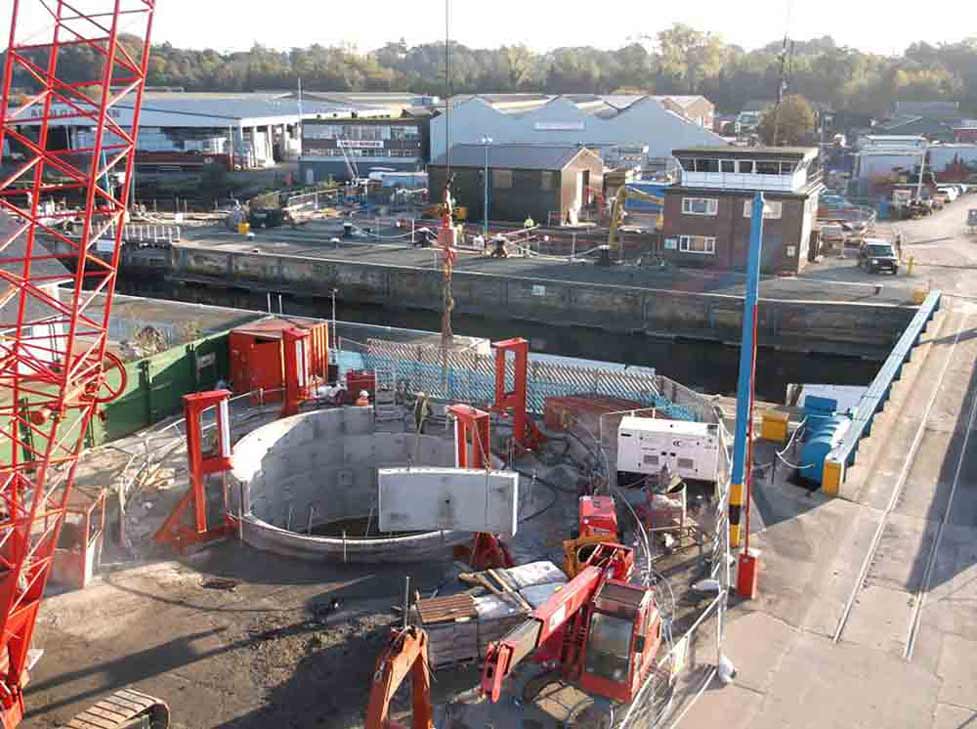
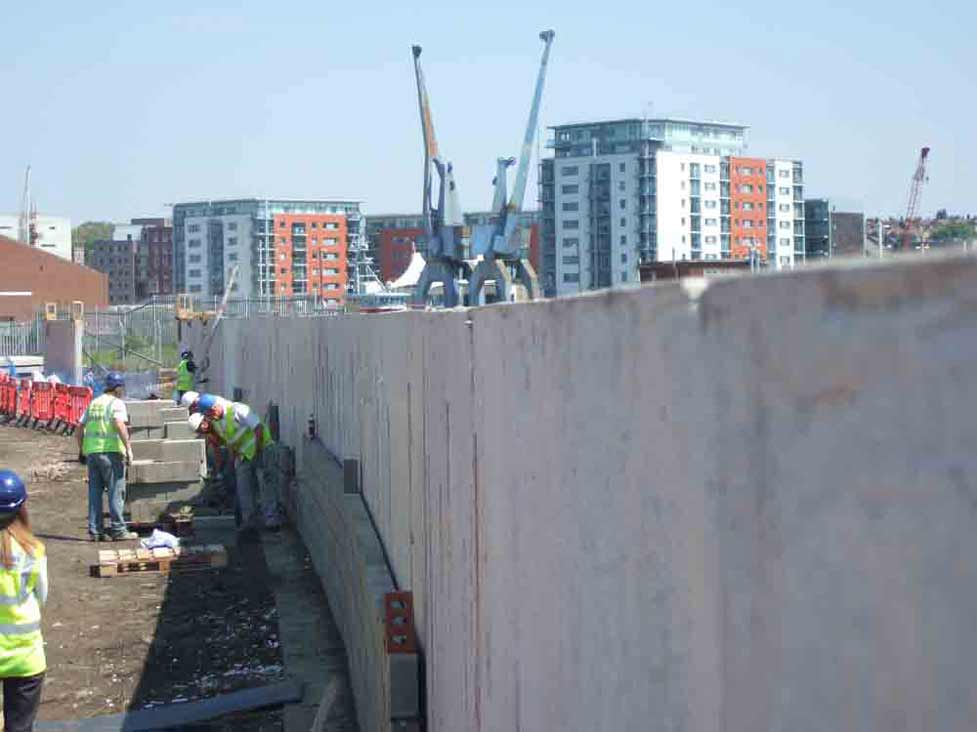
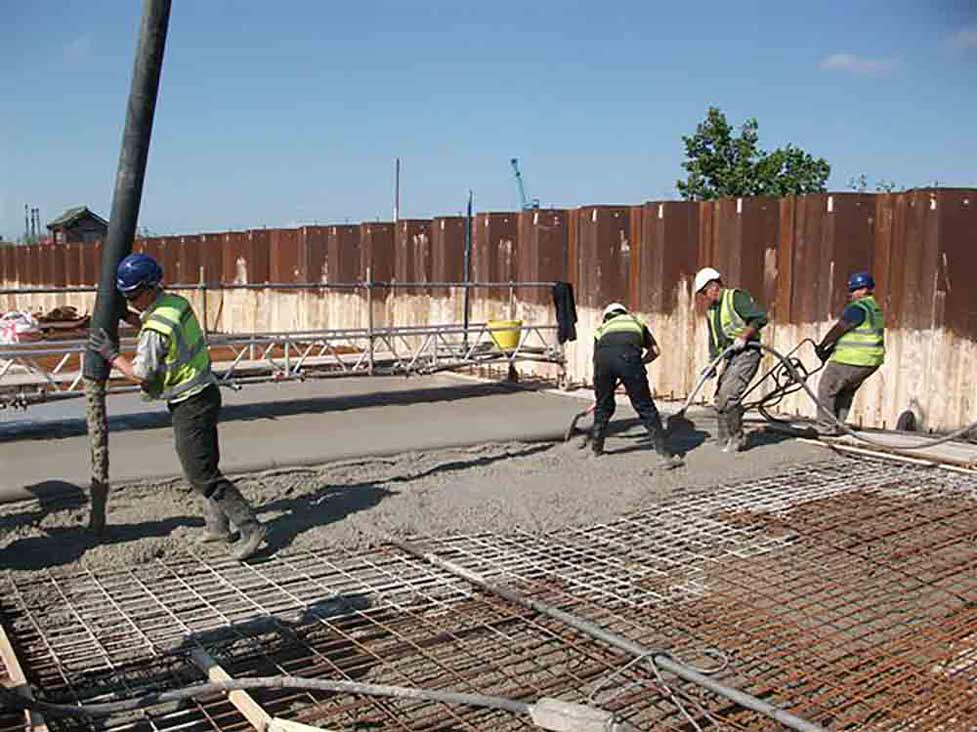
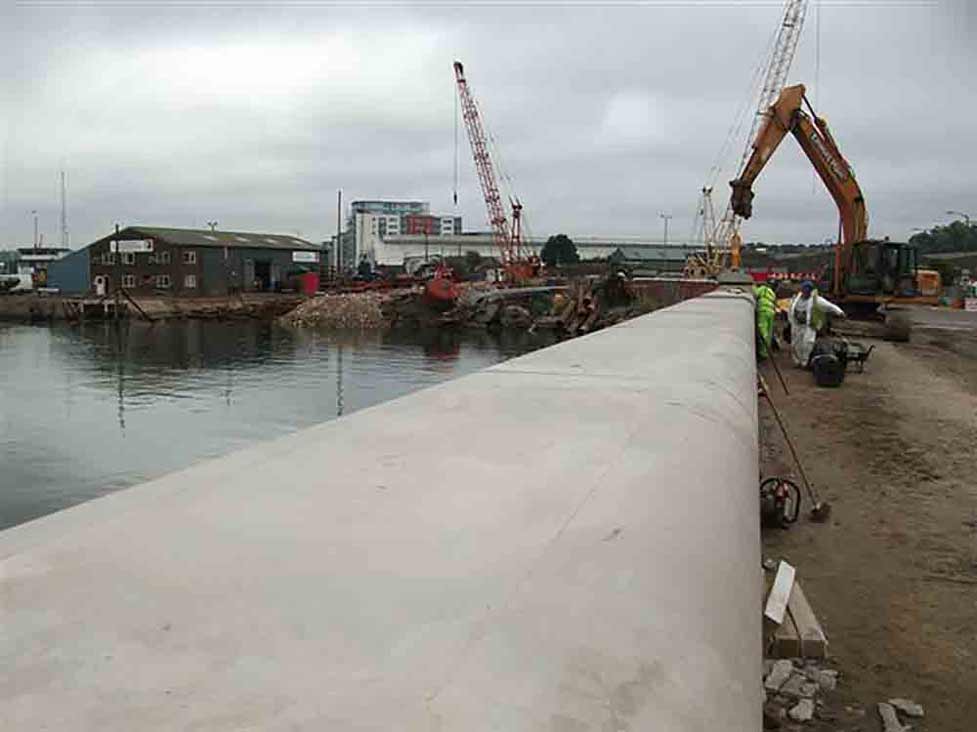
Additional work carried out by Jackson across this programme included the construction of flood defences on the east and west bank of Ipswich dock. The works included sheet and secant piling as well as raising a port access road over the main outfall to the Ipswich surface water drainage. There was also a requirement to work around a restricted area where knotweed was growing.
Attractive paving and street furniture was installed on the west bank as part of the regeneration of the area.
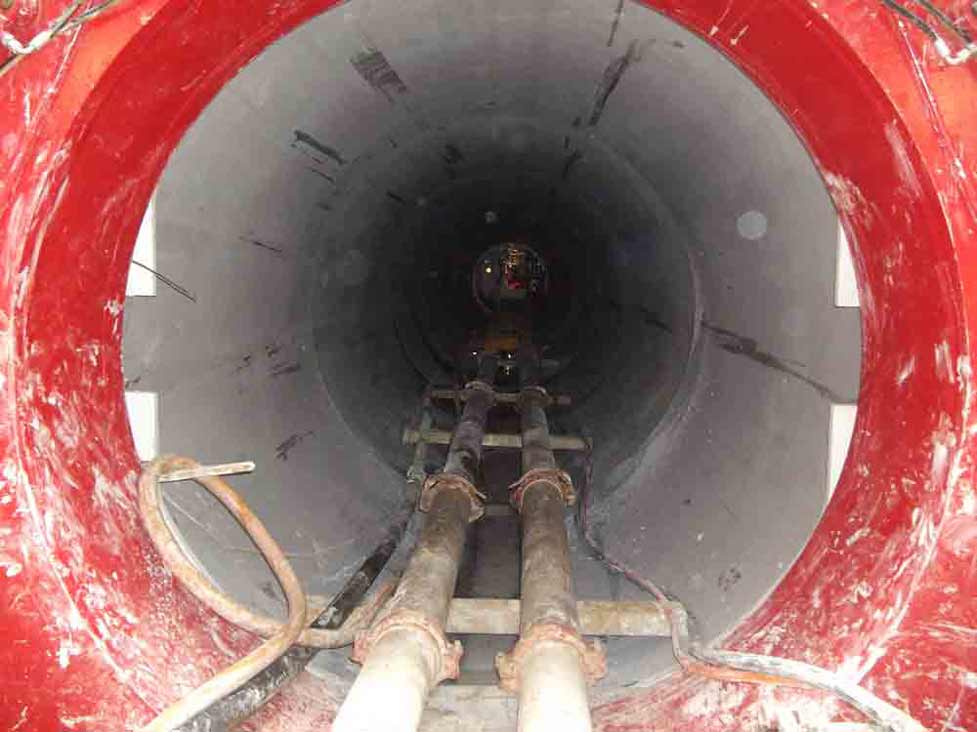
Jackson also worked with specialist civil engineering companies to construct a 2.1m diameter tunnel under the wet lock to enable 125kV cables, which previously ran across the riverbed at the proposed location of the flood barrier, to be diverted and the site cleared for construction.